Best Pens for Pen and Ink Drawing (A Beginner-Friendly Guide)
I remember when I first wanted to start drawing in pen and ink, my go-to was a simple Bic pen. You know the one. The pen everyone had in school. Clear plastic body, blue cap, no frills.
But eventually you start wondering, What comes after the Bic?
The world of pens can feel a little overwhelming. Fountain pens, Microns, dip pens, brush pens. They all have their own personality and create a different feeling on the page. The good news is there isn't a wrong choice. Some pens are perfect for detailed illustrations, others encourage loose and expressive sketching, and some are simply the pen you happen to have nearby.
If you're new to pen and ink drawing and you're not sure where to begin, here's a simple breakdown of the most common options.
Fineliners (Micron & Pigment Pens)
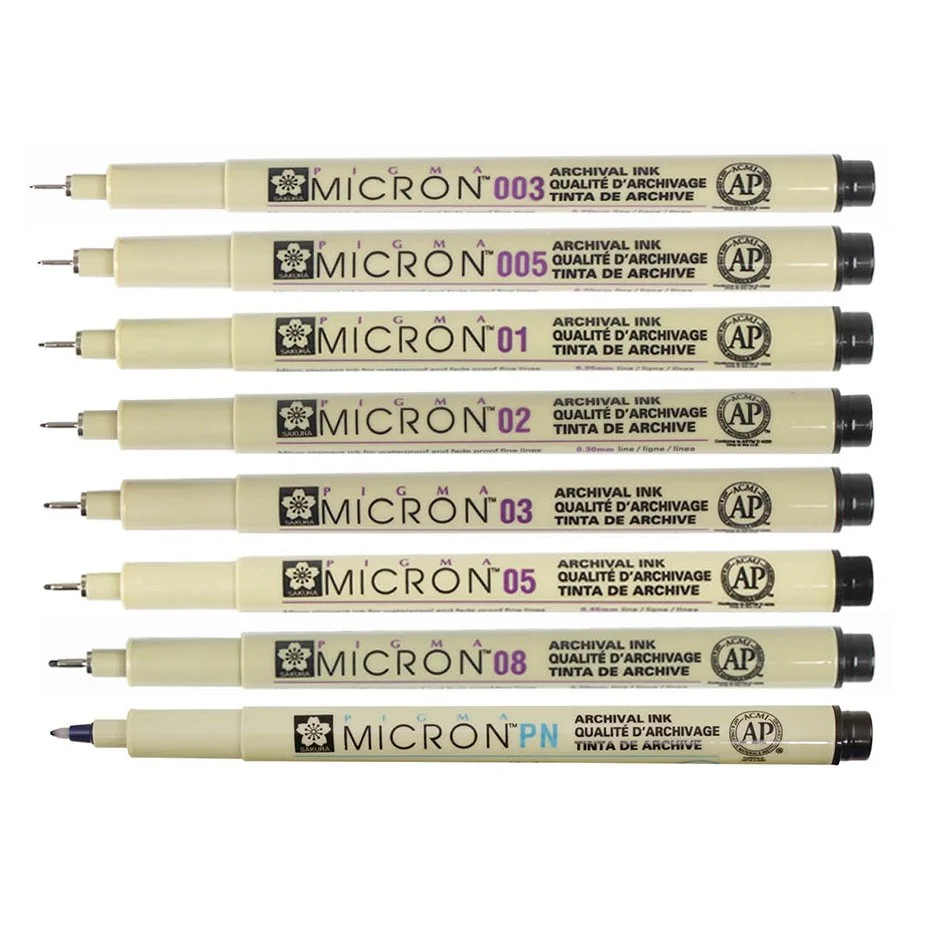
If you're looking for reliability and consistent line work, this is where I'd start. Pens like the Sakura Pigma Micron use archival, waterproof pigment ink that produces crisp, clean lines. They're excellent for illustrations that you'll later add watercolor or ink washes to because the lines won't bleed once they've dried.
| Best For | Pros |
|---|---|
| Detailed line work | Waterproof after drying |
| Mixed Media | Minimal maintenance |
Things to know:
These pens come in different line widths, but each pen has a fixed size. If you want variation in your drawings, you'll probably want to pick up a few different sizes.
Eventually, the nib wears down and the pen will need replacing.
Fountain Pens
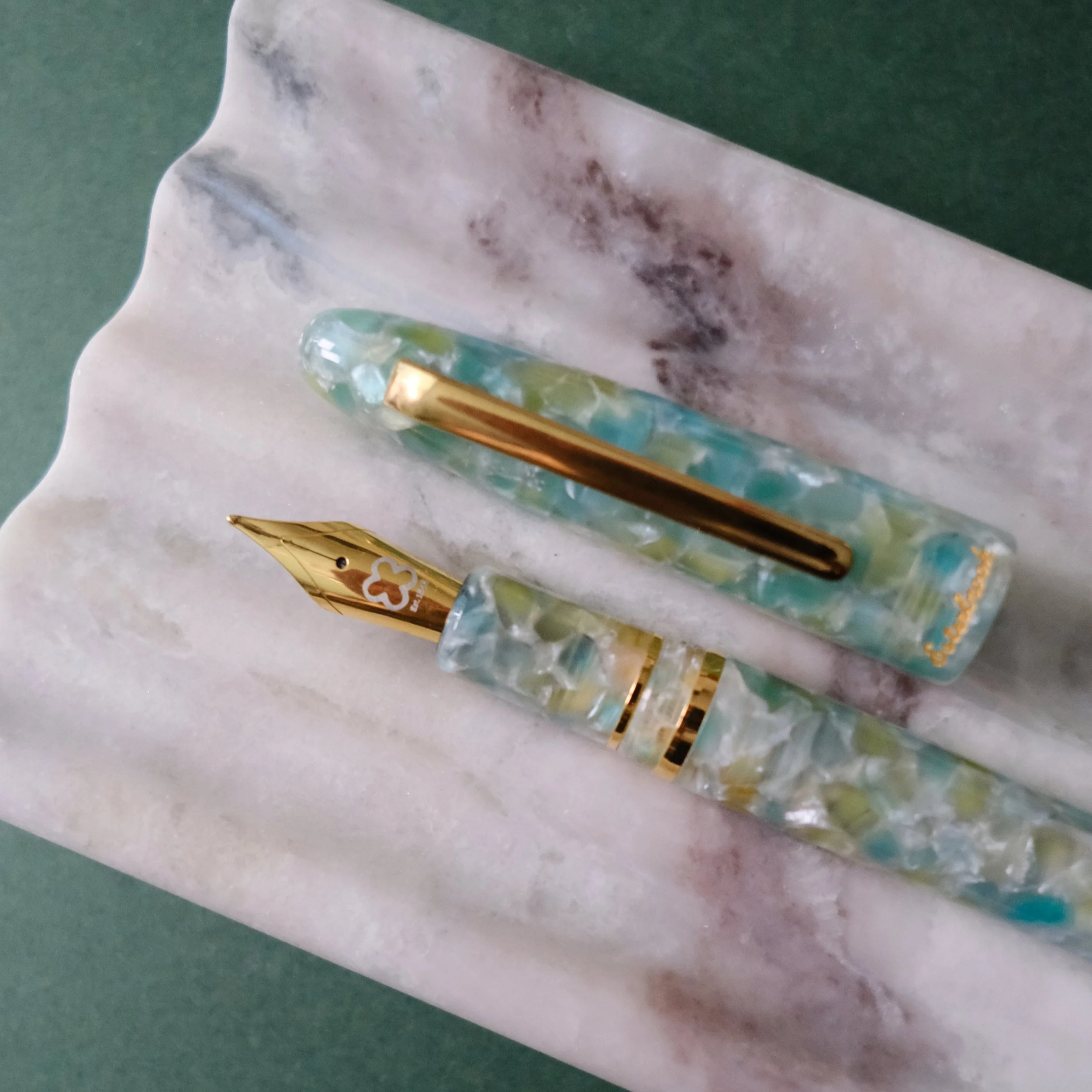
Fountain pens are my personal favorite. Unlike fineliners, fountain pens are refillable and come with different nib sizes and styles that create different line qualities. Depending on the nib, you can create subtle variations in your marks, making your sketches feel more expressive and alive.
One of my favorite things about fountain pens is experimenting with ink. You can choose waterproof inks if you want to add watercolor later, or explore dye-based inks that come in hundreds of beautiful colors.
Whether a fountain pen is waterproof depends entirely on the ink you choose.
| Best For | Pros |
|---|---|
| Expressive illustration | Beautiful drawing experience |
| Mixed use: drawing and journaling | Endless ink colors |
| Ink wash techniques | Wide variety of nib styles |
Waterproof fountain pen inks
If you plan to paint over your drawings, look for permanent inks such as:
Platinum Chou Kuro
Platinum Carbon Black
De Atramentis Document Black
Sailor Kiwa-Guro
These inks dry water resistant and work beautifully underneath watercolor.
Non-waterproof fountain pen inks
Most fountain pen inks are dye-based, meaning they will dissolve when water is added. Instead of seeing this as a limitation, I think it can become part of the creative process.
A little water can transform your line work into soft washes, and you're no longer limited to drawing in black. You can experiment with blues, greens, browns, and every shade in between.
Dip Pens
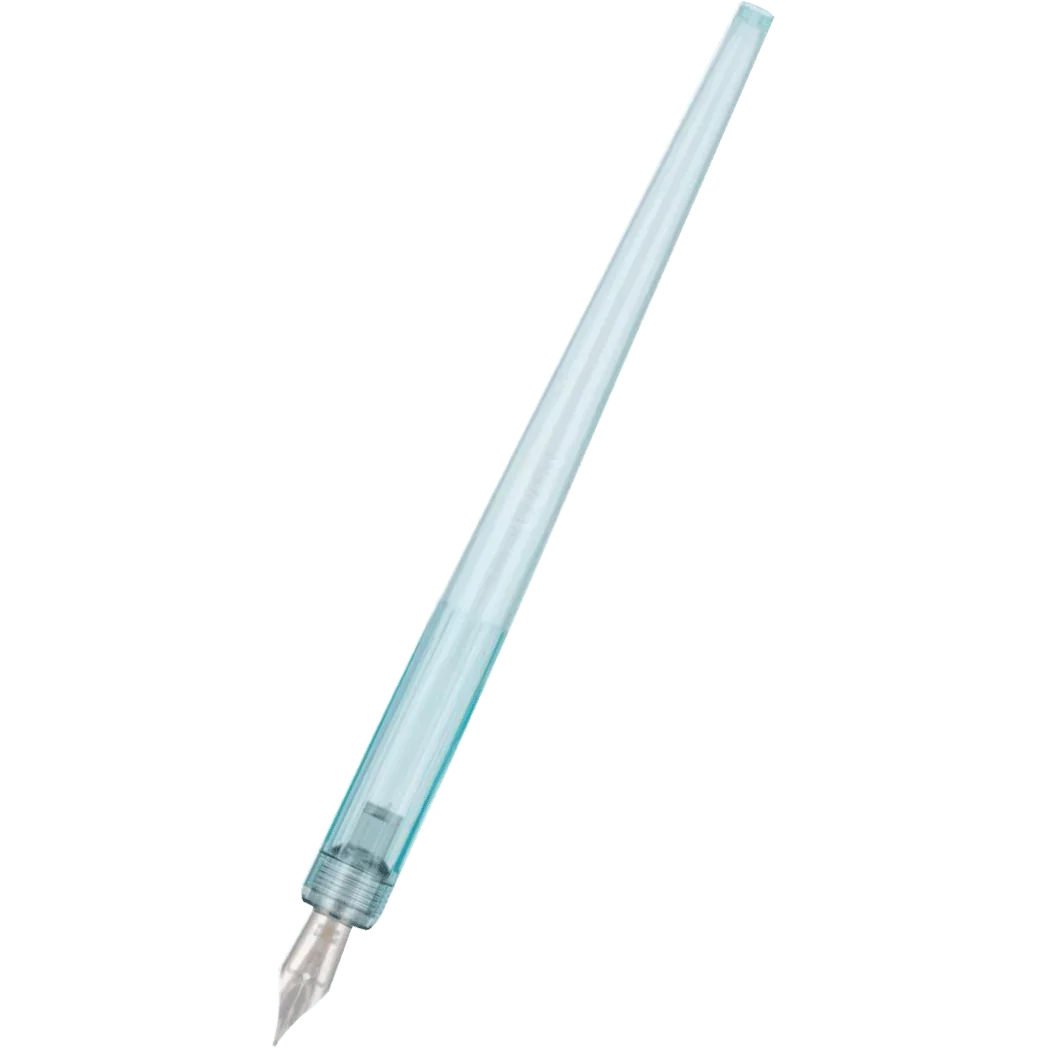
If you've ever admired vintage illustrations or comic book artwork, chances are they were created with a dip pen. A metal nib fits into a holder and is dipped into bottled ink as you draw. Dip pens offer incredible line variation, from whisper-thin hairs to bold expressive strokes, which is why they are still loved by illustrators, comic artists, and calligraphers.
I find dip pens have one of the biggest learning curves. Learning how much pressure to apply and how the nib moves across the paper takes practice. But once you become comfortable with them, they offer some of the most expressive line work you can create.
Unlike fountain pens, dip pens can be used with a wider variety of drawing inks because the ink does not need to travel through an internal feed.
| Best For | Pros |
|---|---|
| Highly detailed illustrations | Incredible line variation |
| Traditional pen and ink drawing | Works with many different drawing inks |
| Traditional pen and ink drawing | Very affordable to get started |
Things to know
Dip pens require frequent dipping into ink while you draw, so they take a little more patience than other pen types. They also have a learning curve as you get used to controlling pressure and creating different marks. After each drawing session, the nib will need to be cleaned to prevent ink buildup and keep it in good condition.
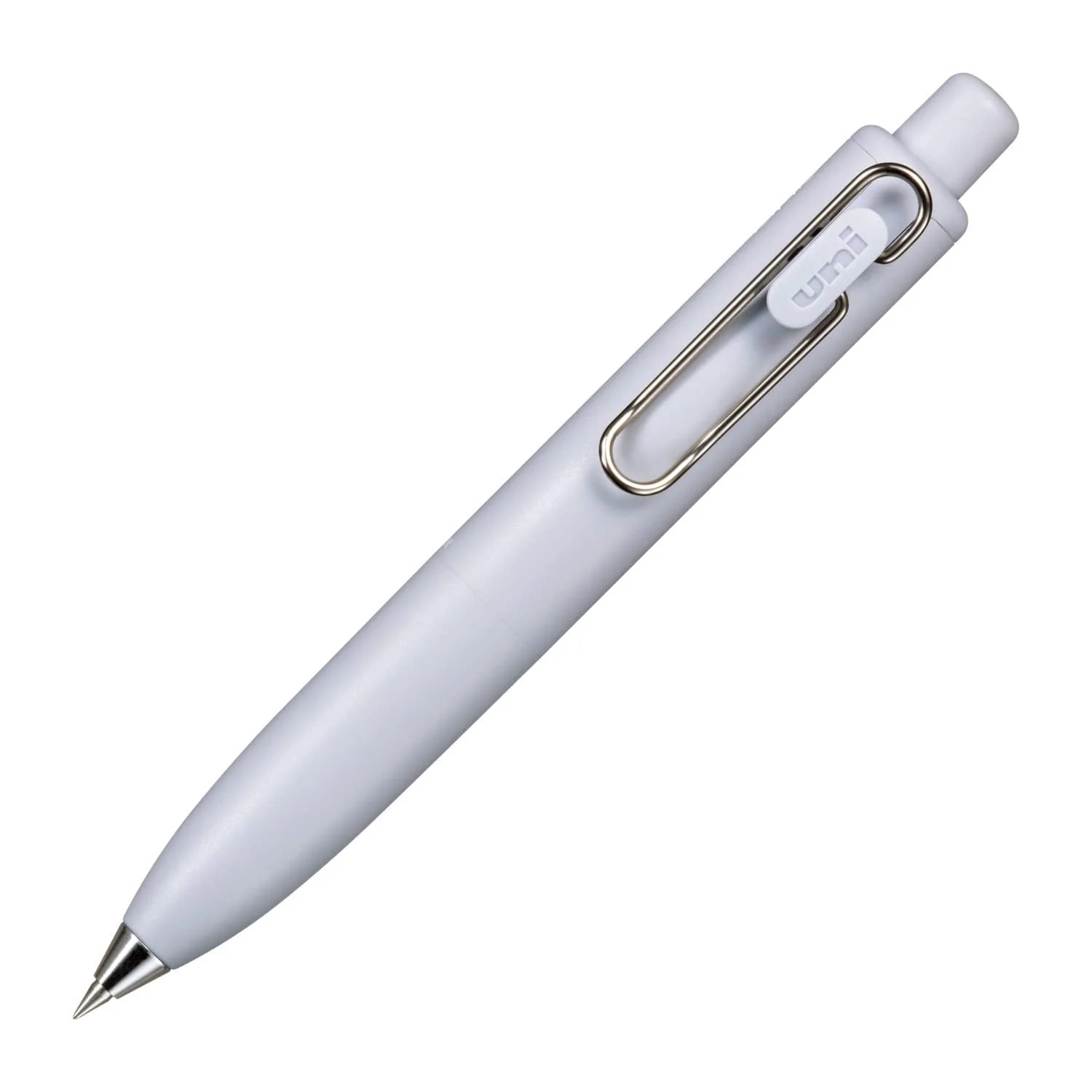
Ballpoint Pens (Including the Bic)
Don't overlook the pen sitting in your junk drawer or the one you accidentally brought home from a cute restaurant.Ballpoint pens are surprisingly versatile. Because the ink builds gradually, they're excellent for creating subtle shading and smooth transitions.
Many artists sketch exclusively with a simple Bic because it encourages confidence. You can't erase, so you learn to work with your marks and trust the process.
Fun fact. The humble Bic Cristal is part of the permanent design collection at the Museum of Modern Art (MoMA) in New York. So yes, it's that great of a pen design.
They're also inexpensive enough that you never feel precious about making mistakes, which is why I always like having one nearby.
| Best For | Pros |
|---|---|
| Everyday sketching | Extremely affordable and availble everywhere |
| Great for gradual shading | No maintenance |
Things to know:
Most ballpoint inks are not waterproof, so they may bleed or reactivate when water is added. Compared to pigment inks, ballpoint pens also tend to create softer blacks rather than the deep, saturated blacks you can achieve with archival ink.
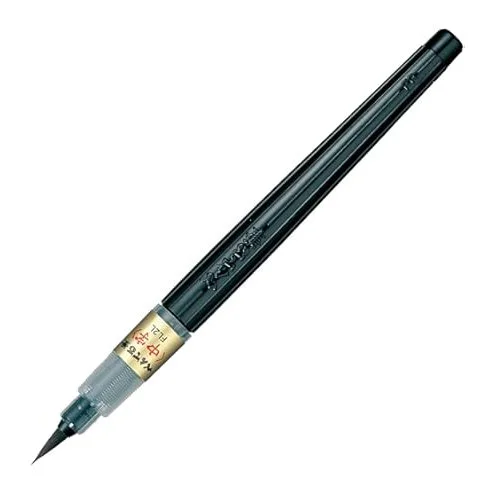
Brush Pens
If you enjoy bold, expressive marks, brush pens are worth exploring. Their flexible tip creates dramatic thick-and-thin lines, making them popular for illustration, lettering, and loose sketching.
Some contain waterproof pigment ink, while others use water-soluble dye ink, so it's always worth checking before adding watercolor.
Admittedly, brush pens are my least favorite. I like control and consistency, and brush pens have a mind of their own. But that unpredictability is exactly what many artists love about them.
| Best For | Pros |
|---|---|
| Loose sketches | Creates expressive thick-and-thin lines |
| Lettering and calligraphy | Available in both waterproof and water-soluble options |
Things to know:
Brush pens can take some practice because the amount of pressure you apply changes the thickness of your lines. Unlike fineliners, they can feel less predictable, which can be challenging if you prefer more control and consistency. However, that unpredictability is also what gives brush pens their expressive quality.
Which Pen Should You Choose?
If you're just getting started:
Want crisp, waterproof drawings?
Choose a Micron or another pigment fineliner.Want a pen you'll enjoy using every day?
Try a fountain pen.Love expressive line work?
Experiment with a dip pen.On a budget?
A simple Bic ballpoint is much more capable than most people realize.
At the end of the day, the "best" pen isn't necessarily the most expensive one. It's the one that fits naturally into your hand and makes you want to keep drawing.
Every pen has its own personality. Part of the fun is discovering which one feels most like yours.
Because the more you draw, the more you begin to notice. The light coming through a window. The curve of a leaf. The shadows on your coffee cup.
And I think that's where pen and ink drawing really begins.