Ink Review: Platinum Chou Kuro

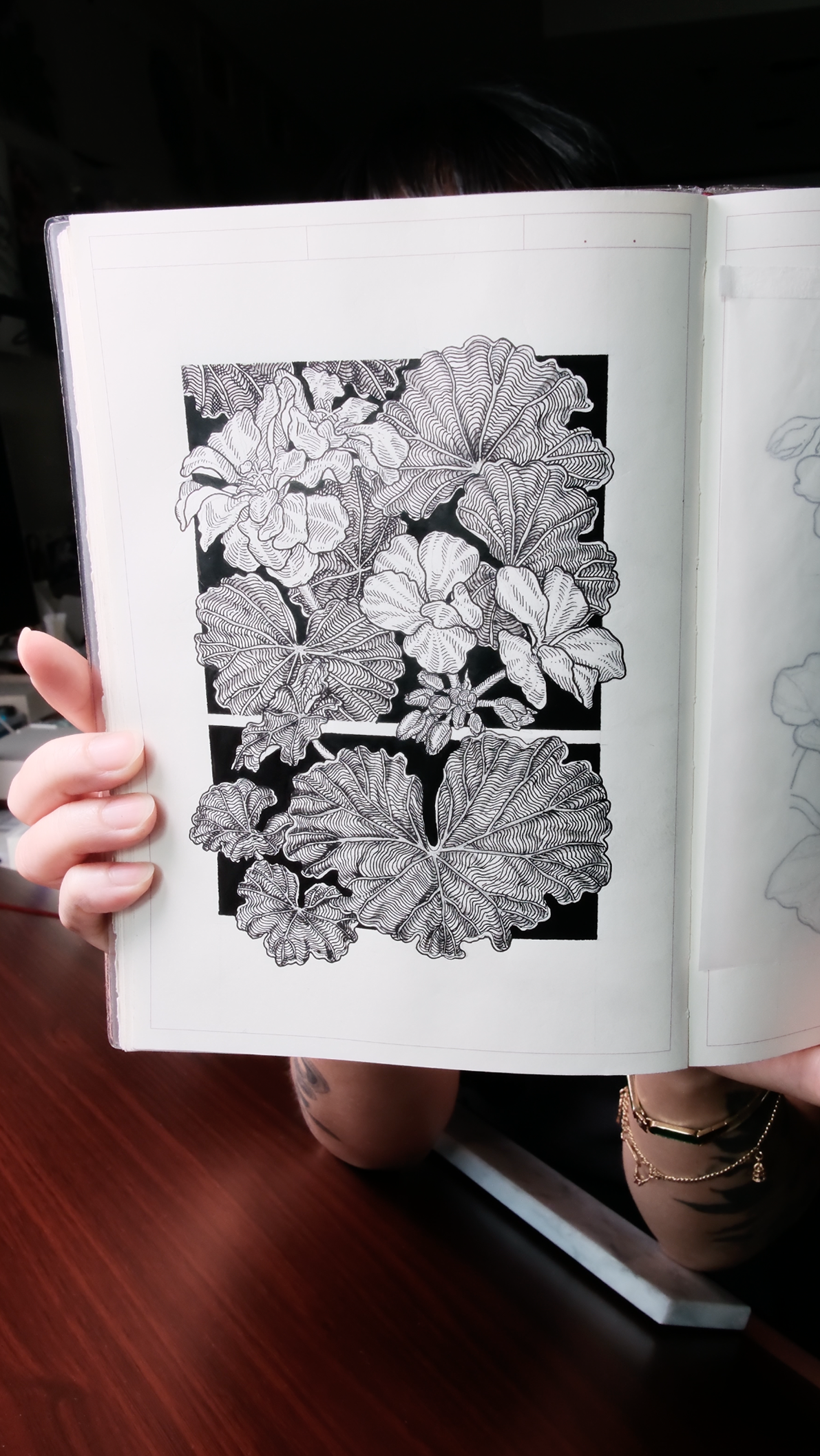
TLDR: This is the blackest fountain pen ink I’ve ever used.
I’m what you might call a black ink snob. Over the years I’ve tried a wide range of black inks, from Sakura Pigma Micron pens to Koh-I-Noor Ultradraw Pigment-Based Ink, Copic Multiliners to many more options. While they’re all great writing/drawing tools, many of these pen’s black inks share a similar drawback: they lean gray 😔.
But as of 2026, I can confidently say Platinum Chou Kuro ($45-$60) is on a completely different level when it comes to black drawing ink.
When Platinum describes this ink as a deep, saturated black with no sheen, they really aren’t exaggerating. The moment I touched pen to paper, i knew this ink was something special and i began to understand the hype!
What Makes This Ink Different
The first thing you notice with Chou Kuro is the intensity of the color. It’s not just dark, it feels dense and saturated.
Compared to Platinum Carbon Black ($24), Chou Kuro is about 46% darker with similar water-resistant and archival properties. Once dry, it has a matte, velvety finish, while Carbon Black tends to have a slight sheen, which is why I personally prefer Chou Kuro.
See the Ink in Action: I filmed a short video showing how the ink behaves in my Midori MD notebook A5 (frame) so you can see the depth and finish for yourself.
How It Writes
In everyday use, Chou Kuro flows smoothly and produces a bold, consistent line. The wet flow really helps the darkness show through, especially when using broader nibs (<M>, <B>, or <Stub>) while drawing.
I especially enjoy using it for:
journaling and daily writing
fountain pen sketching
black ink studies in my sketchbook
A Few Things to Keep in Mind
Chou Kuro is a pigment-based fountain pen ink, so it behaves a little differently from typical dye inks. Because of this, it’s best to be thoughtful about which pens you use.
Personally, I use Pilot Kakuno fountain pens with this ink because they can be fully disassembled for thorough cleaning.
Because it’s pigment-based, the ink does require slightly more maintenance than standard inks, but in my experience it hasn’t caused serious issues that make me not enjoy using this ink. Just be mindful about regular use, and if needed you can occasionally floss the nib with a brass shim to keep ink flowing smoothly. I would not recommend leaving this in any drawing tool for weeks on end.
For cleaning, Platinum recommends using DISTILLED WATER ONLY, and I strongly suggest following this advice; tap water can leave mineral deposits that clog the nib and slow the flow so just be aware of this nuance when inking up your pens with this ink.
A Deep Black Worth Exploring
There are many great black fountain pen inks on the market, but Platinum Chou Kuro is easily my favorite for drawing. It might even be my holy grail black ink!
If you’re mainly looking for an everyday writing ink, I’d still recommend Platinum Carbon Black. It’s more affordable, and when you’re just writing, the slight sheen isn’t very noticeable. But for drawing, Chou Kuro has a unique presence on the page. The lines feel bold yet refined, thanks to its deep, velvety finish that—at least for me—remains unmatched.
The biggest downside? The price. My wallet might be a little lighter, but my drawings have never looked this beautifully black ✒️.
Platinum Chou Kuro vs Platinum Carbon Black
If you're deciding between Platinum Chou Kuro and Platinum Carbon Black, both are excellent pigment-based black fountain pen inks that are both archival and water resistant. The biggest differences come down to darkness, finish, maintenance, and price.
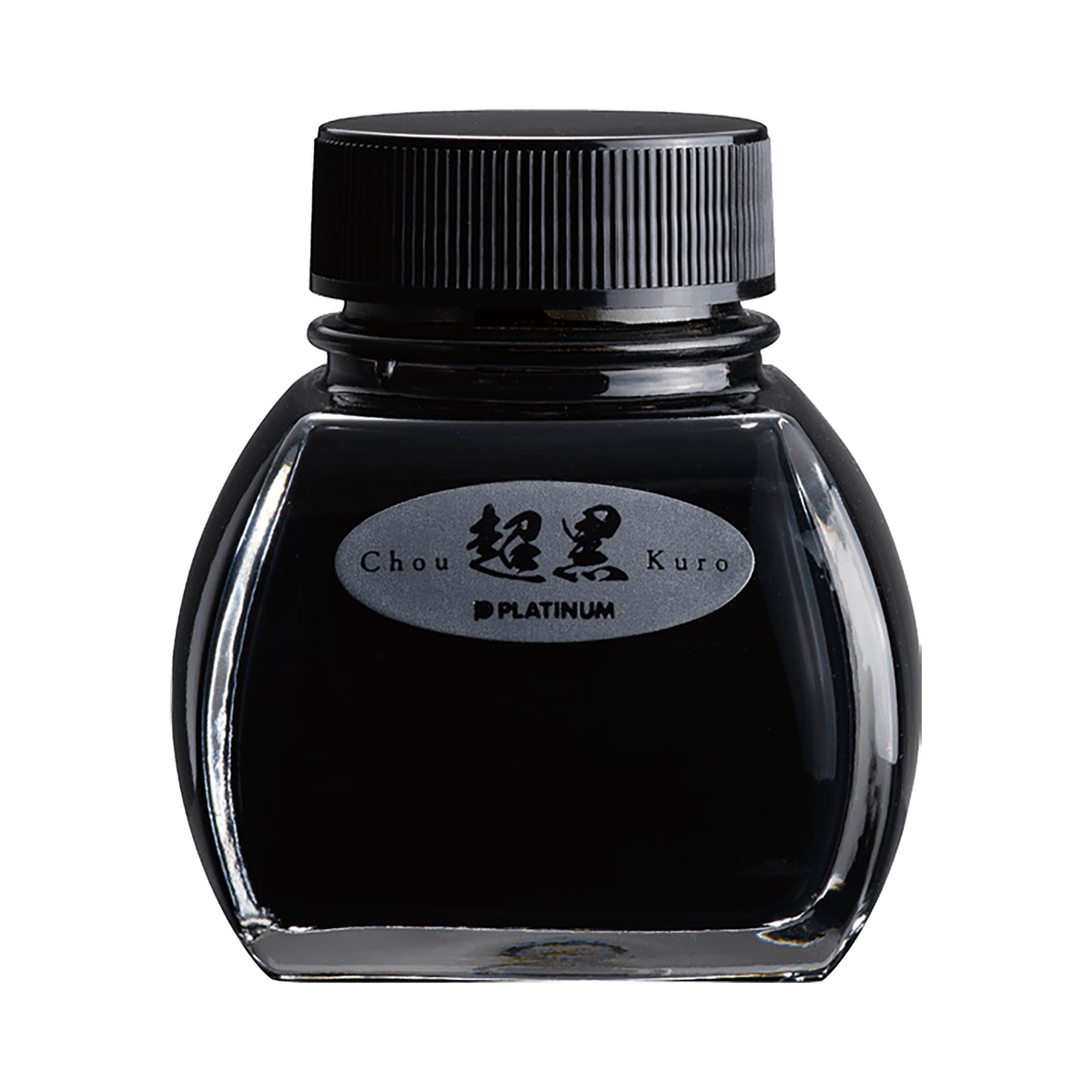
Platinum Chou Kuro
Pros
One of the darkest fountain pen inks ever made
Rich matte and high saturated
Slightly wetter flow, great for drawing
Cons
More expensive than most black inks
Requires more careful pen maintenance
Best used in pens that can be fully disassembled
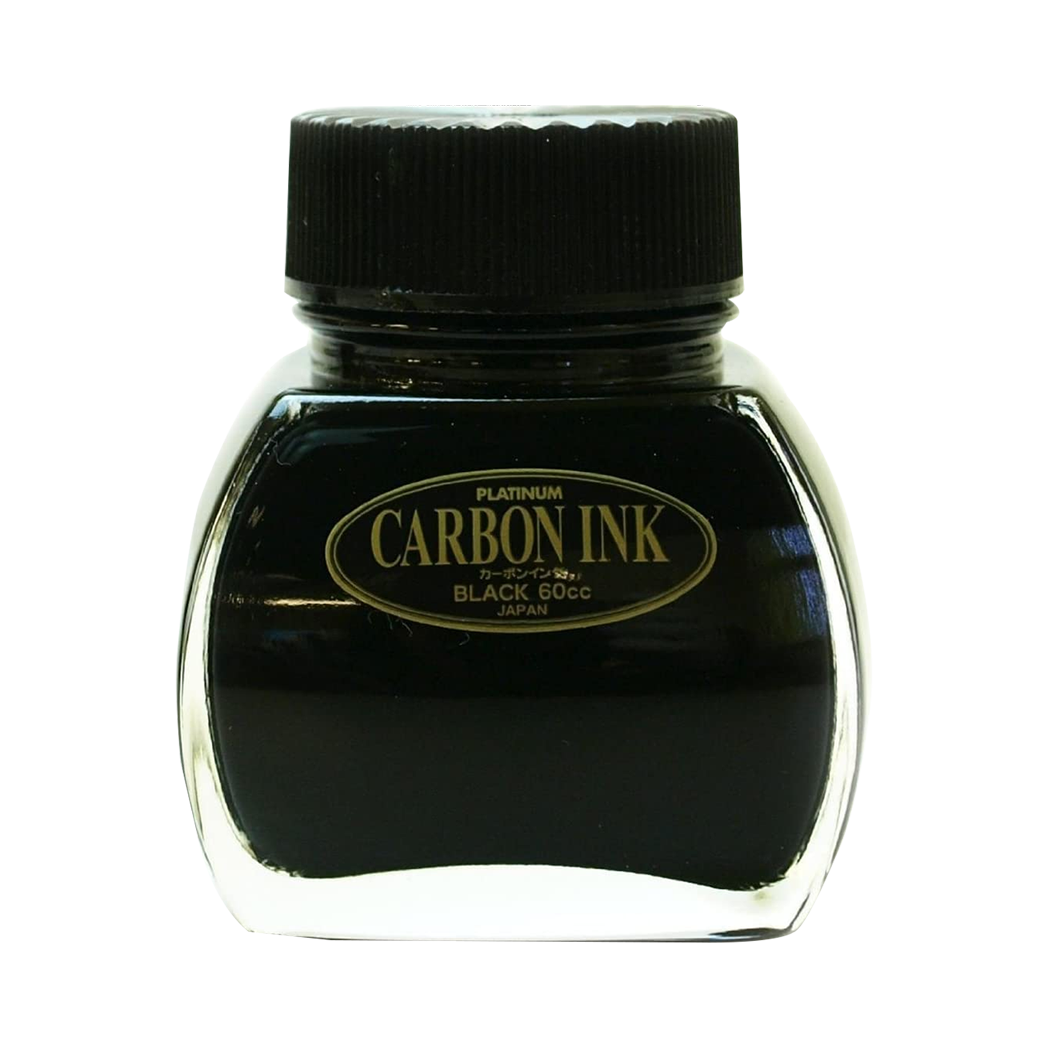
Platinum Carbon Black
Pros
Reliable everyday ink for writing and sketching
Lower maintenance than Chou Kuro
More affordable and widely available
Cons
Lighter black compared to Chou Kuro
Can have a subtle sheen or reflectivity
Flow can feel a bit drier
Affiliate link notice: Some links in this post are affiliate links, which means I may earn a small commission if you purchase through them. It helps support my blog at no extra cost to you.